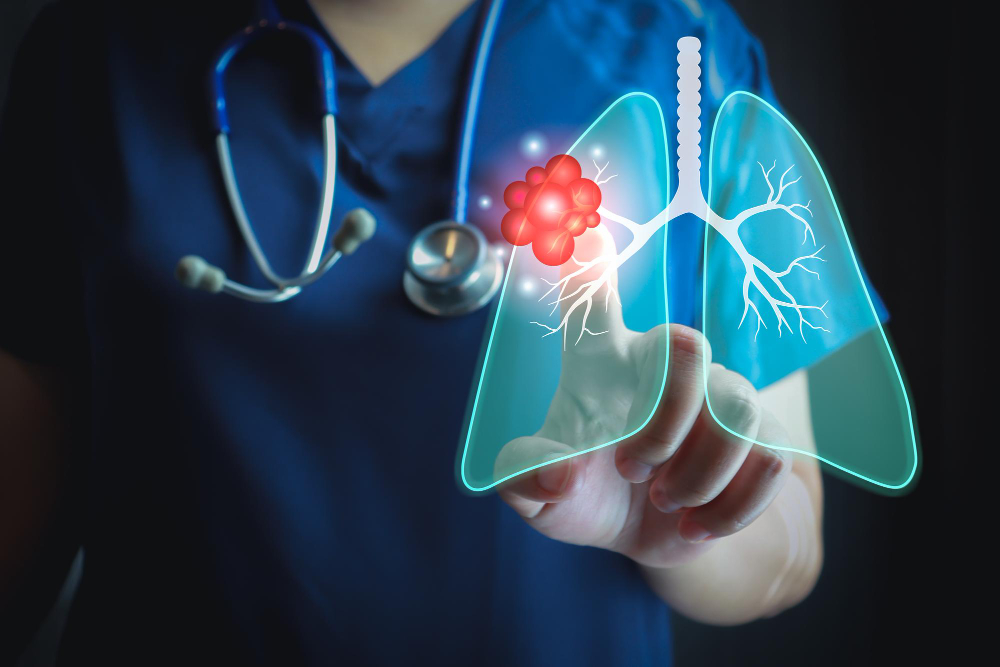
What is Lung Cancer?
Lung cancer is a disease where cells in the lungs grow out of control. These cells can form a lump, called a tumor. While many people think only smokers get lung cancer, this is not true. In fact, lung cancer can affect anyone, even those who have never smoked. According to the World Health Organization (WHO), lung cancer is one of the most common cancers worldwide.
Causes Beyond Smoking
Although smoking is a major cause, there are other reasons people get lung cancer. For example, some people inherit genes that make them more likely to develop this disease. In addition, the environment can play a big role. Let’s look at some causes beyond smoking:
Because of these factors, it is important to know that anyone can develop lung cancer.
Symptoms and Early Warning Signs
Early lung cancer often has no symptoms. However, as it grows, you may notice changes. For instance, you might have:
Because these signs can be caused by other problems, it is important to see a doctor if they last more than a few weeks.
How Lung Cancer is Diagnosed
Doctors use several tests to find lung cancer. First, they may order a chest X-ray to look for spots on the lungs. Next, a CT scan gives a clearer picture. Sometimes, doctors use a test called a biopsy. In this test, a small piece of lung tissue is removed and checked for cancer cells. Blood tests and other scans may also help. Early diagnosis can improve treatment results.
Treatment Options
Treatment depends on the type and stage of lung cancer. For example, some people may need surgery to remove the tumor. Others may get radiation or chemotherapy, which use strong medicines to kill cancer cells. Newer treatments, like targeted therapy and immunotherapy, help the body fight cancer in different ways. Your doctor will suggest the best plan for you.
Prevention and Lifestyle Tips
While you cannot control every risk, you can take steps to lower your chances of getting lung cancer. Here are some tips:
Because prevention is key, these steps can help protect your lungs.
Myths and Facts About Lung Cancer
In summary, lung cancer is more than just a smoking-related disease. Many factors can increase your risk. If you notice symptoms or have concerns, consult Dr Qazi Ashraf for personalized advice on lung cancer prevention and care.